<div className="border border-blue-100 bg-blue-50/40 rounded-2xl p-6 my-8">
<div className="flex items-center gap-2.5 mb-3 text-blue-800">
<svg className="w-5 h-5 text-blue-600 inline-block align-middle mr-2" fill="none" stroke="currentColor" strokeWidth="2.5" viewBox="0 0 24 24" xmlns="http://www.w3.org/2000/svg"><circle cx="12" cy="12" r="10"/><circle cx="12" cy="12" r="6"/><circle cx="12" cy="12" r="2"/></svg>
<h3 className="font-bold text-base m-0">頁首情境定位與分流</h3>
</div>
<div className="text-slate-600 text-sm leading-relaxed mb-4">
房地產交易與契約細節深度解析,助您掌握交易關鍵,規避潛在法律與財務風險。
</div>
<div className="grid grid-cols-1 sm:grid-cols-2 gap-4 pt-4 border-t border-slate-100 text-xs">
<div>
<span className="font-semibold text-slate-700"><svg className="w-4 h-4 text-rose-500 inline-block align-middle mr-1.5" fill="none" stroke="currentColor" strokeWidth="2.5" viewBox="0 0 24 24" xmlns="http://www.w3.org/2000/svg"><circle cx="12" cy="12" r="10" /><circle cx="12" cy="12" r="6" /><circle cx="12" cy="12" r="2" /></svg>適合讀者:</span>
<ul className="list-disc pl-4 mt-1 text-slate-500 space-y-1">
<li>進行購屋流程評估與契約簽署的置產人及首購族</li>
<li>研究交易與持有實務與交易防線的法務人員</li>
<li>欲防範購屋流程爭議與合約陷阱之房屋所有權人</li>
</ul>
</div>
<div>
<span className="font-semibold text-slate-700"><svg className="w-4 h-4 text-blue-500 inline-block align-middle mr-1.5" fill="none" stroke="currentColor" strokeWidth="2" viewBox="0 0 24 24" xmlns="http://www.w3.org/2000/svg"><path d="M10 13a5 5 0 0 0 7.54.54l3-3a5 5 0 0 0-7.07-7.07l-1.72 1.71" /><path d="M14 11a5 5 0 0 0-7.54-.54l-3 3a5 5 0 0 0 7.07 7.07l1.71-1.71" /></svg>姊妹篇引導:</span>
<ul className="list-disc pl-4 mt-1 text-slate-500 space-y-1">
<li>關於本專題的延伸實務防線?請讀 <a href="/blog/taiwan-home-buying-guide" className="text-blue-600 hover:underline">首購族自保特約SOP</a></li>
<li>關於本專題的進階契約對照?請讀 <a href="/blog/new-house-buying-guide" className="text-blue-600 hover:underline">新屋合約四大防禦線</a></li>
</ul>
</div>
</div>
</div>
<div className="not-prose w-full my-6 p-6 bg-slate-50 rounded-2xl border border-slate-200 shadow-sm flex flex-col md:flex-row md:items-center md:justify-between gap-4">
<div className="flex-1 space-y-1">
<div className="flex items-center gap-2">
<span className="text-[10px] bg-slate-200 text-slate-700 px-2 py-0.5 rounded-full font-bold">核心情境</span>
<span className="text-xs text-slate-500 font-medium">囤房差別稅率精算、單一自住 1% 設籍申報與多屋族合法節稅策略</span>
</div>
<h5 className="text-base font-bold text-slate-800 leading-snug">囤房稅 2.0 懶人包:單一自住稅率降至 1%!戶籍登記申請期限與 3 戶免稅資格查詢</h5>
<div className="text-xs text-slate-600 leading-relaxed">針對房屋持有者與多屋房東,拆解房屋差別稅率「全國總歸戶」與「全數累進」的課徵細節,協助把握設籍申請時限以實現持有稅最小化。</div>
</div>
</div>
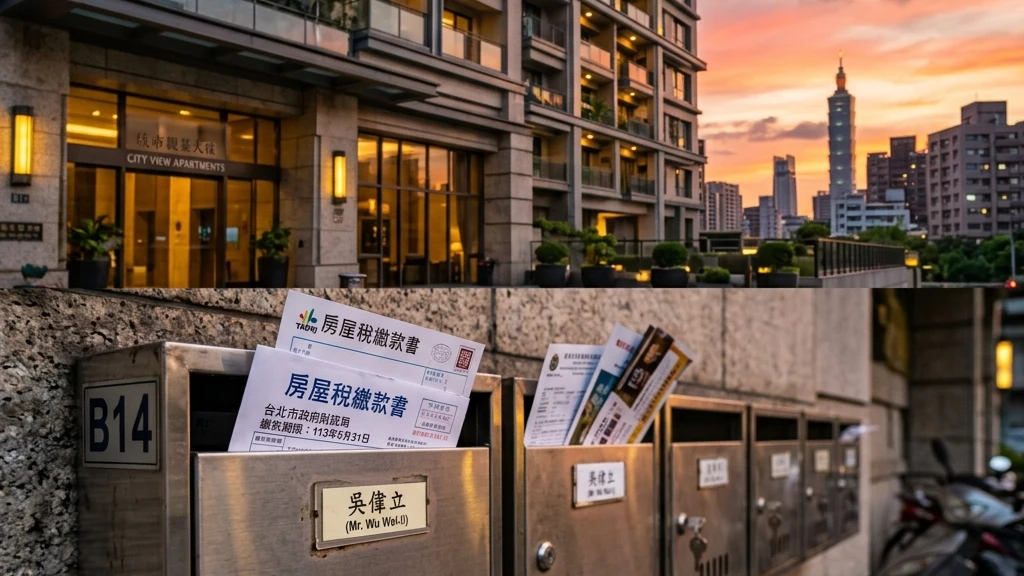
囤房稅 2.0 於 2024 年 7 月 1 日正式實施,並將於 2025 年 5 月首次反映在全國房屋稅單上。這項持有稅新制,透過「全國歸戶」與「全數累進」的機制改革,大幅增加了多屋持有者的稅負負擔,同時也為僅持有一戶且設有戶籍的「單一自住」客群提供了降稅至 1% 的實質紅利。不論是首購自住客或擁有多套房產的房東,都必須精算持有成本的劇烈變動。
<div className="not-prose my-6 p-5 bg-blue-50 border-l-4 border-blue-500 rounded-r-xl shadow-sm">
<h4 className="font-bold text-slate-800 text-sm mb-2 flex items-center gap-1.5">
<svg className="w-4 h-4 text-blue-500" fill="none" stroke="currentColor" viewBox="0 0 24 24">
<path strokeLinecap="round" strokeLinejoin="round" strokeWidth={2} d="M9 12l2 2 4-4m5.618-4.016A11.955 11.955 0 0112 2.944a11.955 11.955 0 01-8.618 3.04A12.02 12.02 0 003 9c0 5.591 3.824 10.29 9 11.622 5.176-1.332 9-6.03 9-11.622 0-1.042-.133-2.052-.382-3.016z"/>
</svg>
30秒精華速讀 (TL;DR)
</h4>
<ul className="text-slate-700 text-xs space-y-2 list-disc pl-4">
<li><strong>自住稅率兩大級距</strong>:全國僅持有一戶自住且辦妥戶籍登記,排除豪宅後稅率降至 1.0%;自住 3 戶以內且設籍,稅率維持 1.2%。</li>
<li><strong>全國總歸戶制</strong>:不再按單一縣市計算戶數,而是以「本人、配偶及未成年子女」為家戶單位,將全國名下房屋合併累計。</li>
<li><strong>公益出租最節稅</strong>:擁有多屋的出租房東,若加入社宅包租代管或將房屋租給領有租金補貼之租客,房屋稅可繼續適用 1.2% 最低自住稅率。</li>
</ul>
</div>
---
## 一、囤房稅 2.0 稅額計算與差別稅率
房屋稅的應納稅額由「房屋課稅現值」與「適用稅率」相乘而得,其底層計價與差別累進稅率公式如下:
### 囤房稅房屋稅額與房屋現值計算公式
$$
T_{\text{house}} = V_{\text{assess}} \times r_{\text{hoarding}}
$$
$$
V_{\text{assess}} = P_{\text{unit}} \times A \times (1 - d \times y) \times L
$$
* $T_{\text{house}}$ : 新制房屋稅應納稅額 (Estimated House Tax Amount)
* $V_{\text{assess}}$ : 稽徵機關核定之房屋課稅現值 (Assessable House Value)
* $r_{\text{hoarding}}$ : 全國歸戶後適用的差別稅率級距 (1.0% 至 4.8%)
* $P_{\text{unit}}$ : 房屋構造標準單價 (依結構、折舊等評定)
* $A$ : 房屋課稅面積 (平方公尺)
* $d$ : 房屋年折舊率
* $y$ : 房屋已折舊年數
* $L$ : 房屋街路地段調整率 (路段率)
<div className="not-prose my-6 p-5 bg-slate-50 border border-slate-200 rounded-2xl">
<h4 className="font-bold text-slate-800 text-sm mb-2 flex items-center gap-1.5">
法律定義名詞卡 (EEAT Dictionary)
</h4>
<div className="text-slate-700 text-xs space-y-3">
<div><strong>1. 全國總歸戶</strong>:計算房屋持有戶數時,取消過去以「個別直轄市或縣市」為計算單位的漏洞。跨越縣市名下持有的所有房屋,皆須合併歸入同一家戶(本人、配偶及未成年子女)名下計算。</div>
<div><strong>2. 全數累進差別稅率</strong>:囤房稅 2.0 採取全數累進。一旦持有的非自住房屋戶數達到某個累進級距門檻,其「所有」非自用房屋都會一併適用該級距的最高稅率(最高達 4.8%),而非按級距分段課稅。</div>
<div><strong>3. 單一自住 1.0% 降減</strong>:符合全國僅持有一戶自用住宅,且由本人、配偶或未成年子女於該屋辦妥戶籍登記,無出租或營業行為,且評定現值在排除高價住宅(豪宅限額)標準以下者,稅率降至 1.0%。</div>
</div>
</div>
您可以利用下方「囤房稅 2.0 稅額影響估算模型」,輸入房屋的課稅現值、所在縣市及實際使用情形,精算新制下的房屋稅額與稅制衝擊:
<WordPressToolEmbed type="hoarding_tax" />
---
## 二、囤房稅自用與非自用稅率判定路徑
房屋持有者可依循以下法理路徑,確認適用之房屋稅率及是否具備免稅/優惠資格:
<MdxMermaidFlowchartIndex273Block0 />
---
## 三、各持有族群房屋稅率變動對比
囤房稅 2.0 的全國差別稅率架構,對於不同使用型態之資產產生分流影響:
<div className="not-prose my-8 grid grid-cols-1 md:grid-cols-3 gap-4">
<div className="p-5 bg-blue-50/30 rounded-xl border border-blue-100 flex flex-col justify-between">
<div>
<span className="text-[10px] bg-blue-100 text-blue-700 px-2 py-0.5 rounded-full font-bold uppercase">自用住宅 (1.0% - 1.2%)</span>
<h5 className="font-bold text-slate-800 text-sm mt-2 mb-1">設籍自住與減稅優惠</h5>
<p className="text-xs text-slate-600 leading-relaxed">本人、配偶或直系親屬設籍且實際居住。全國 1 戶且非豪宅稅率為 1.0%;3 戶以內之自住房屋稅率維持 1.2%,是自住客的實質減稅利多。</p>
</div>
</div>
<div className="p-5 bg-emerald-50/30 rounded-xl border border-emerald-100 flex flex-col justify-between">
<div>
<span className="text-[10px] bg-emerald-100 text-emerald-700 px-2 py-0.5 rounded-full font-bold uppercase">公益出租/社會住宅 (1.2%)</span>
<h5 className="font-bold text-slate-800 text-sm mt-2 mb-1">多屋族合法轉型避稅防禦</h5>
<p className="text-xs text-slate-600 leading-relaxed">多屋房東若加入政府社會住宅包租代管或將房屋出租給領有租金補貼的租客,不僅房屋稅繼續適用 1.2% 優惠自住稅率,更享有每月租金免稅額。</p>
</div>
</div>
<div className="p-5 bg-red-50/30 rounded-xl border border-red-100 flex flex-col justify-between">
<div>
<span className="text-[10px] bg-red-100 text-red-700 px-2 py-0.5 rounded-full font-bold uppercase">空置囤房/建商餘屋 (2.0% - 4.8%)</span>
<h5 className="font-bold text-slate-800 text-sm mt-2 mb-1">累進持有稅重稅處罰</h5>
<p className="text-xs text-slate-600 leading-relaxed">非自住且未申報有效出租的住宅,將依全國歸戶總套數全數累進課徵,最高適用 4.8% 稅率;建商持有餘屋逾 2 年者亦一併適用 2.0% 至 4.8% 重稅。</p>
</div>
</div>
</div>
---
## 四、多屋族與房東的節稅自保手段
面對新制房屋稅負的翻倍增加,持有複數房產者必須儘早採取資產配置優化:
* <strong>精準規劃戶籍登記</strong>:單一自住降稅至 1% 的關鍵是「辦竣戶籍登記」。首購族務必確認本人、配偶或「未成年」子女於課稅年度內完成設籍手續,並向稅捐機關提出自住減免申報。
* <strong>妥善利用直系親屬申報一般自住</strong>:自住 1.2% 限全國 3 戶。第四戶(含)以上的房屋,若有父母或已成年子女實際居住,可將該房屋登記在其名下或遷入其戶籍,以另立家戶獨立計算 3 戶自住額度。
* <strong>轉型為公益出租人</strong>:將閒置資產委託合法的包租代管業者加入社會住宅,可免去被課徵累進囤房稅的風險,房屋稅率直接鎖定在 1.2% 最低水位,且享綜合所得稅免稅额。
<div className="not-prose my-8 p-5 bg-red-50 border border-red-100 rounded-2xl flex gap-4">
<svg className="w-6 h-6 text-red-500 shrink-0 mt-0.5" fill="none" viewBox="0 0 24 24" stroke="currentColor">
<path strokeLinecap="round" strokeLinejoin="round" strokeWidth="2" d="M12 9v2m0 4h.01m-6.938 4h13.856c1.54 0 2.502-1.667 1.732-3L13.732 4c-.77-1.333-2.694-1.333-3.464 0L3.34 16c-.77 1.333.192 3 1.732 3z"/>
</svg>
<div>
<h4 className="font-bold text-red-800 text-sm mb-1">風險警示:全數累進可能帶來的稅務失血</h4>
<div className="text-red-700 text-xs leading-relaxed">
與綜合所得稅「分段計息」不同,囤房稅 2.0 是「全數累進」。假設您名下有 4 戶非自住大樓,其評定現值合計 1000 萬元。若適用 4.8% 級距,這 4 戶將全部以 4.8% 稅率計算,房屋稅高達 48 萬元;而非前兩戶課較低稅率、後兩戶課高稅率。資產配置若不作切割,持有稅負將侵蝕大量租金收益。
</div>
</div>
</div>
### 囤房稅 2.0 合法節稅申報檢核表 (Checklist)
- [ ] <strong>核對全部房屋課稅現值</strong>:查閱每年房屋稅單,確認名下各戶房屋的核定課稅現值。
- [ ] <strong>確認本人/配偶/未成年子女已設籍</strong>:確保唯一一戶自住大樓已完成戶籍登記,以便符合單一自住 1% 資格。
- [ ] <strong>檢查自住房屋數量是否超過 3 戶</strong>:若全國合計自住房屋有 4 戶,應挑選「房屋現值最高」的三戶設籍申報 1.2% 優惠。
- [ ] <strong>評估轉型公益出租人可行性</strong>:比對非自住累進稅率與 1.2% 社宅優惠之差額,計算轉型後每年節省稅費。
- [ ] <strong>將低價值餘屋申請免徵</strong>:確認名下是否有房屋評定現值在 10 萬元以下(符合地方免徵房屋稅限制)並申請免稅。
---
## 五、常見問題解析 (FAQ)
#### Q: :如果名下的房屋有跟兄弟姊妹共同繼承持分,這會被算入我全國歸戶的囤房稅套數嗎?
A: <strong>:<strong>不會計入非自住累進套數,且繼承共有房屋享有特別輕稅率</strong></strong> 為了避免民眾因非自願繼承造成囤房稅負暴增,因繼承共有的房屋,在計算非自住差別稅率戶數時可以不予計入;且這類繼承共有住宅在課稅時,適用特別法定的 1.5% 至 2.4% 輕稅率區間,而非直接跳入最高 4.8% 的差別稅率。
#### Q: :單一自住 1.0% 的減稅政策,是否有設有房屋評定現值(豪宅門檻)的上限限制?
A: <strong>:<strong>有的,各縣市政府均訂有「高價住宅」排除條款</strong></strong> 若您的單一自用房屋評定現值,超過該縣市公告的「前 1% 高價住宅」限額標準(例如台北市約為現值 300 萬以上,各縣市門檻不同),即使符合設籍與唯一持有一戶條件,該房屋仍會被排除在 1.0% 稅率之外,適用 1.2% 一般自住稅率。
#### Q: :如果錯過了當年度自住設籍申報房屋稅減免的期限,該怎麼辦?
A: <strong>:<strong>買方仍可向稅捐稽徵處提出補登記申請,但僅能自次月開始適用</strong></strong> 房屋稅是按月計課的。如果您錯過了當年度的申報基準日,只要補辦妥戶籍登記並提出申請,稅捐機關會自您申請的「次月」起開始按自住稅率比例計課房屋稅,無法對該年度已過月份進行追溯找補。
---
## 六、結論:提早精算申報,鎖定節稅優勢
囤房稅 2.0 透過全國歸戶與全數累進機制,使得多屋持有之稅負結構發生了根本性轉變。房屋持有者與出租房東,應積極透過直系親屬戶籍拆分及公益出租轉型等防禦性稅務手段,合法阻斷差別稅率帶來的資金流失,讓每一分持有資本均在合理的法理框架下發揮最大增值效應。
<div className="not-prose mt-12 mb-8">
<div className="grid grid-cols-1 md:grid-cols-2 gap-4">
<a href="https://www.etax.nat.gov.tw/etwmain/online-service/tax-pre-calculation" target="_blank" rel="noopener noreferrer" className="group flex items-start gap-4 p-5 rounded-2xl border border-slate-200 bg-white hover:border-blue-300 hover:shadow-md hover:shadow-blue-900/5 transition-all duration-300">
<div className="flex-shrink-0 w-8 h-8 rounded-full bg-blue-50 flex items-center justify-center group-hover:bg-blue-100 transition-colors">
<svg className="w-4 h-4 text-blue-600" fill="none" viewBox="0 0 24 24" stroke="currentColor"><path strokeLinecap="round" strokeLinejoin="round" strokeWidth="2" d="M10 6H6a2 2 0 00-2 2v10a2 2 0 002 2h10a2 2 0 002-2v-4M14 4h6m0 0v6m0-6L10 14"/></svg>
</div>
<div>
<h4 className="font-bold text-slate-800 text-[15px] m-0 group-hover:text-blue-600 transition-colors">財政部稅務入口網 - 線上稅務試算中心</h4>
<p className="text-slate-500 text-xs mt-1 m-0">官方稅務試算工具,提供房屋稅、契稅、贈與稅及土地增值稅之線上官方試算功能。</p>
</div>
</a>
<a href="https://pip.moi.gov.tw/V3/B/SCRB0405.aspx" target="_blank" rel="noopener noreferrer" className="group flex items-start gap-4 p-5 rounded-2xl border border-slate-200 bg-white hover:border-blue-300 hover:shadow-md hover:shadow-blue-900/5 transition-all duration-300">
<div className="flex-shrink-0 w-8 h-8 rounded-full bg-blue-50 flex items-center justify-center group-hover:bg-blue-100 transition-colors">
<svg className="w-4 h-4 text-blue-600" fill="none" viewBox="0 0 24 24" stroke="currentColor"><path strokeLinecap="round" strokeLinejoin="round" strokeWidth="2" d="M10 6H6a2 2 0 00-2 2v10a2 2 0 002 2h10a2 2 0 002-2v-4M14 4h6m0 0v6m0-6L10 14"/></svg>
</div>
<div>
<h4 className="font-bold text-slate-800 text-[15px] m-0 group-hover:text-blue-600 transition-colors">內政部不動產資訊平台 - 公益出租人專區</h4>
<p className="text-slate-500 text-xs mt-1 m-0">官方社宅與公益出租政策說明,查詢綜所稅、房屋稅、地價稅減免標準與認定流程。</p>
</div>
</a>
</div>
</div>
> TWProbe 編輯部聲明:本文基於中華民國房屋稅條例新制、地方政府自治條例與公益出租法規彙編,旨在為讀者提供囤房稅 2.0 計算與節稅法理分析對比,不構成任何特定申報、出售、或信託規劃之法律與稅務訴訟保證。申報與稅務規劃前應諮詢地政士或專業會計師。
## 官方查證系統資源
- <strong>[內政部不動產資訊平台](https://pip.moi.gov.tw)</strong>
*用途:查詢各都會區住宅房價指數、空屋率及住宅存量統計,客觀評估房產保值性。*